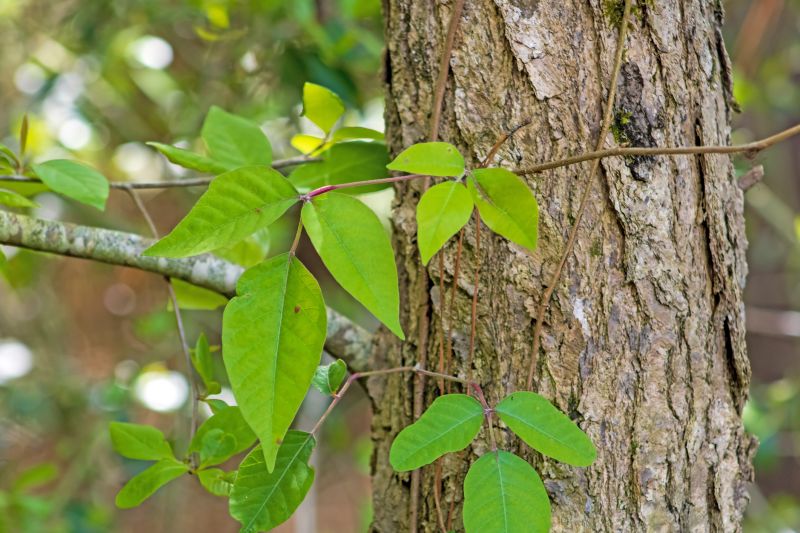
Poison Oak Removal in Bel Air, MD
Poison oak removal services are designed to safely eliminate this toxic plant from residential properties, helping homeowners reduce the risk of skin irritation and allergic reactions. These services typically cover projects such as clearing poison oak from yards, gardens, or wooded areas, as well as managing overgrown brush where the plant may be hiding. Property owners interested in this service should understand the extent of the infestation, the accessibility of affected areas, and any safety precautions that may be necessary during the removal process to prevent contact with the plant.
Before requesting poison oak removal, property owners often want to know about the best methods for controlling regrowth and ensuring the plant does not return. It’s also helpful to clarify whether the service includes disposal of the removed plants and if any follow-up treatments are recommended for ongoing management. Understanding the scope of work and potential impacts on landscaping can assist in planning the project effectively and maintaining a safe, healthy outdoor environment.
Many property owners in Bel Air, MD look into Poison Oak Removal for repairs, replacements, upgrades, and appearance-related improvements.
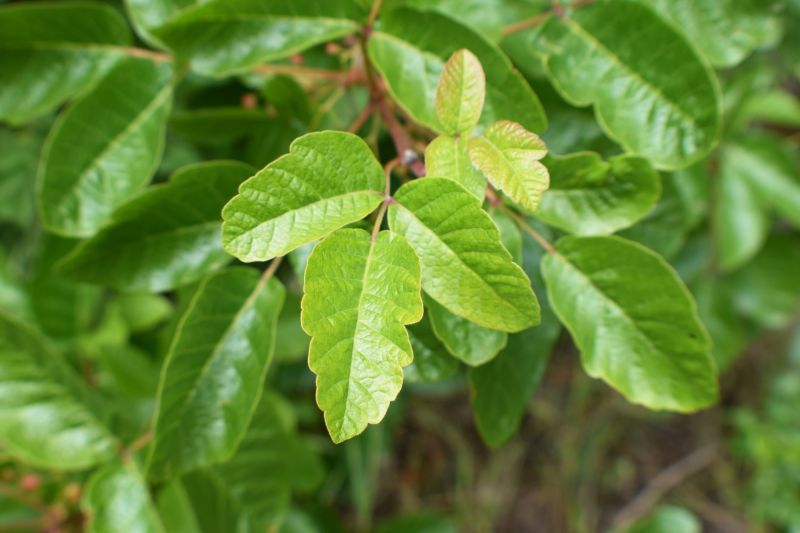
Poison Oak Identification
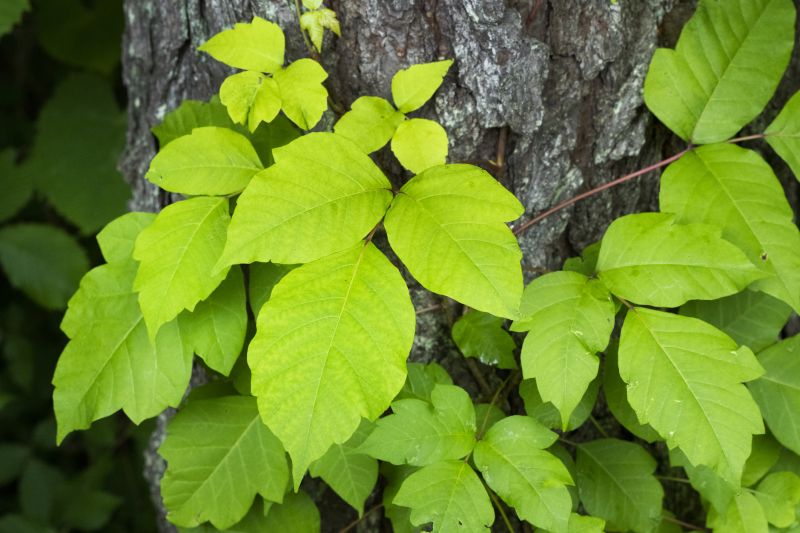
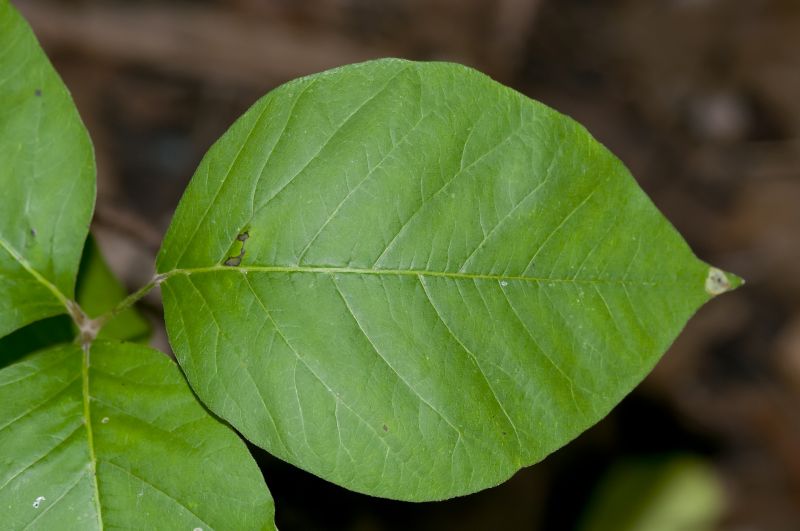
Recognizing poison oak helps prevent skin irritation and exposure risks on residential and commercial properties.
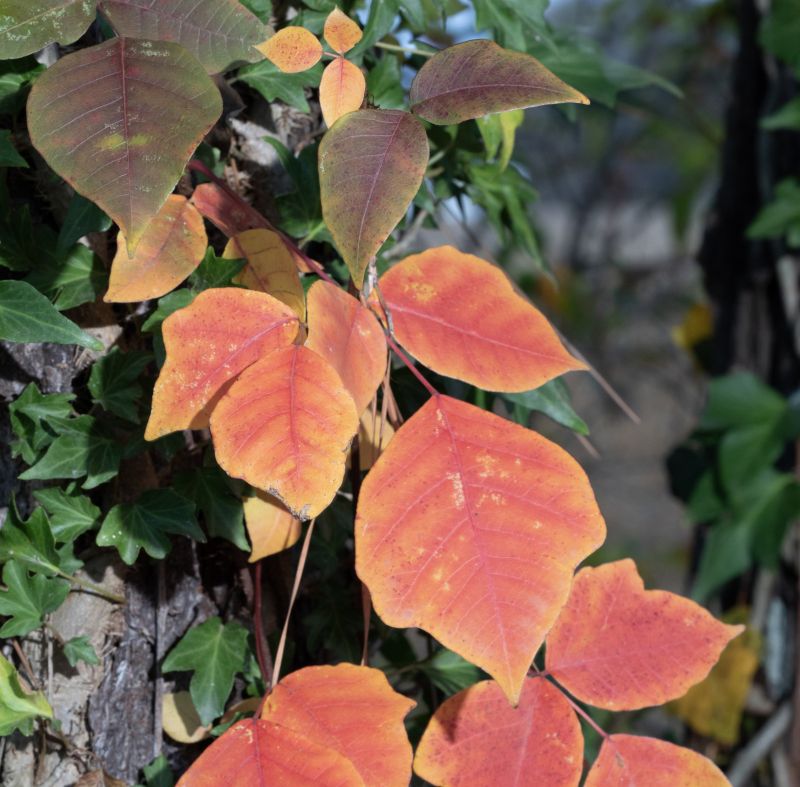
Safety During Removal
Proper removal techniques ensure property safety and reduce the risk of allergic reactions for residents.
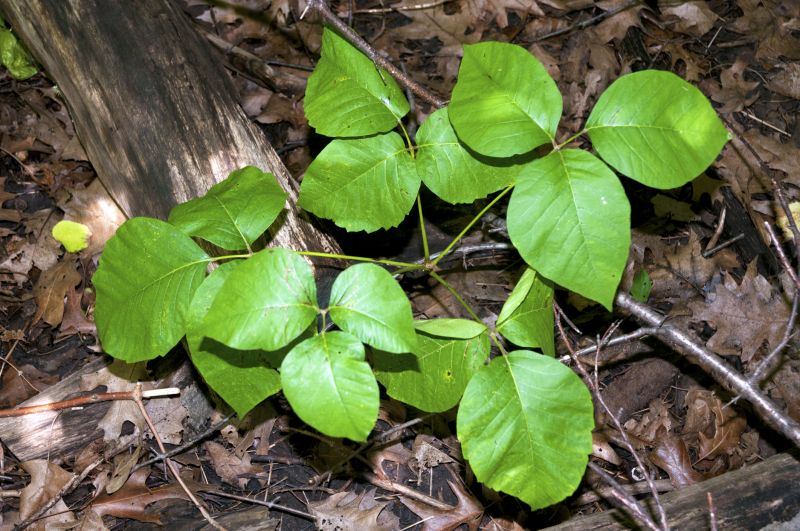
Property Maintenance
Removing poison oak maintains landscape health and keeps outdoor areas safe for families and visitors in bel air, md.
Poison Oak Removal in Bel Air, MD
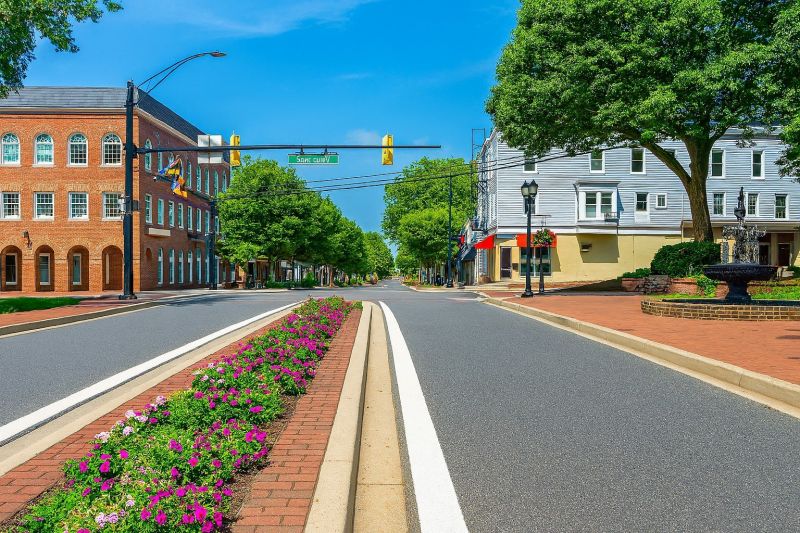
Poison oak removal services are designed to safely eliminate this toxic plant from residential properties, helping homeowners reduce the risk of skin irritation and allergic reactions. These services typically cover projects such as clearing poison oak from yards, gardens, or wooded areas, as well as managing overgrown brush where the plant may be hiding. Property owners interested in this service should understand the extent of the infestation, the accessibility of affected areas, and any safety precautions that may be necessary during the removal process to prevent contact with the plant.
Before requesting poison oak removal, property owners often want to know about the best methods for controlling regrowth and ensuring the plant does not return. It’s also helpful to clarify whether the service includes disposal of the removed plants and if any follow-up treatments are recommended for ongoing management. Understanding the scope of work and potential impacts on landscaping can assist in planning the project effectively and maintaining a safe, healthy outdoor environment.
Many property owners in Bel Air, MD look into Poison Oak Removal for repairs, replacements, upgrades, and appearance-related improvements.
Common Poison Oak Removal Jobs
Poison oak clearing - Safe and effective elimination of poison oak plants.
Vegetation management - Trimming and controlling poison oak growth around property boundaries.
Landscape clearing - Removing poison oak to improve outdoor safety and aesthetics.
Hazard removal - Addressing poison oak risks in high-traffic or play areas.
Property maintenance - Ongoing removal services to prevent poison oak from regrowing.
Poison Oak Removal Questions
What is poison oak removal? Poison oak removal involves safely eliminating the plant from a property to prevent skin irritation and health risks.
When should poison oak be removed? Removal is recommended when poison oak is growing in areas accessed regularly or near outdoor living spaces.
How is poison oak removed? The process typically includes manual removal, such as cutting and pulling, followed by proper disposal of plant material.
Why hire professionals for poison oak removal? Professionals ensure safe removal, reduce the risk of skin contact, and properly manage the plant to prevent regrowth.
Request Poison Oak Removal in Bel Air, MD
Use the quote form on this page to share the basics of your project and request more information for the type of work you need.