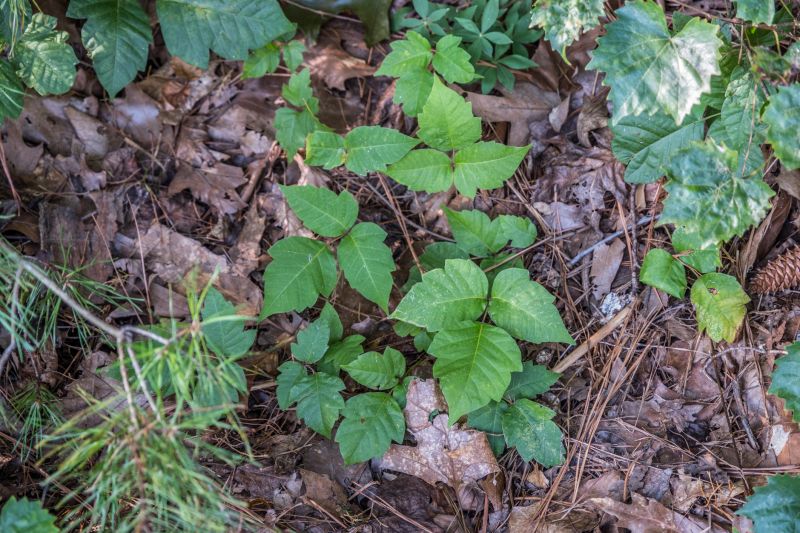
Poison Oak Removal in Harford County, MD
Poison oak removal services are designed to help homeowners safely eliminate this hazardous plant from their properties. These services typically involve identifying and carefully removing poison oak from lawns, gardens, wooded areas, or other outdoor spaces. Property owners often request this service when poison oak poses a risk to children, pets, or anyone who might come into contact with the plant. The goal is to clear affected areas to prevent skin irritation and allergic reactions, ensuring outdoor spaces remain safe and accessible.
Before requesting poison oak removal, property owners usually want to understand the scope of the project, including the size of the affected area and the methods used for removal. It's also helpful to know whether the removal process includes disposal of the plant material and if any follow-up treatments are recommended to prevent regrowth. Clarifying these details can help ensure the property remains free of poison oak and safe for outdoor activities.
Many property owners in Harford County, MD look into Poison Oak Removal for repairs, replacements, upgrades, and appearance-related improvements.
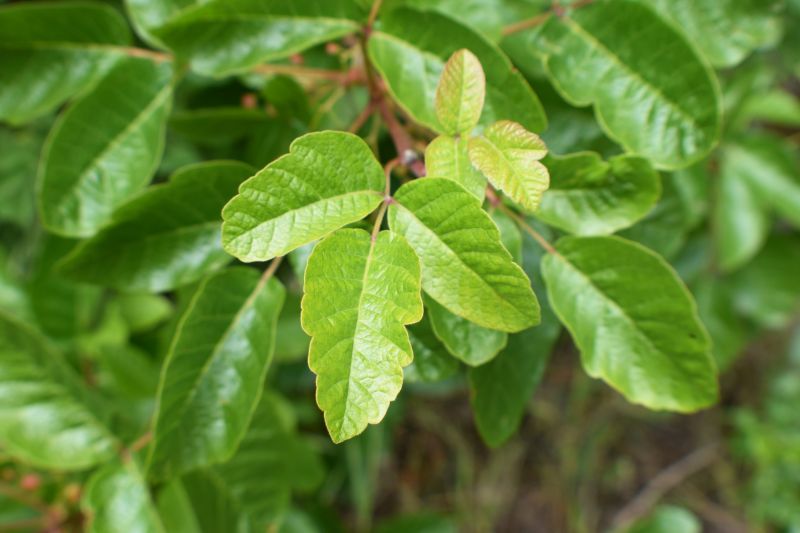
Poison Oak Removal For Safety
Removing poison oak helps protect families and pets from skin irritation and allergic reactions.
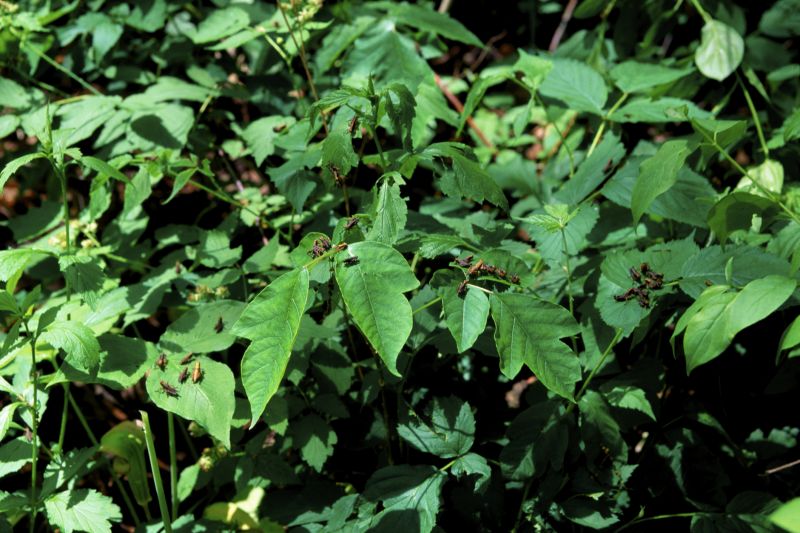
Property Preservation And Maintenance
Clearing poison oak can restore the beauty and usability of yards, trails, and outdoor spaces.
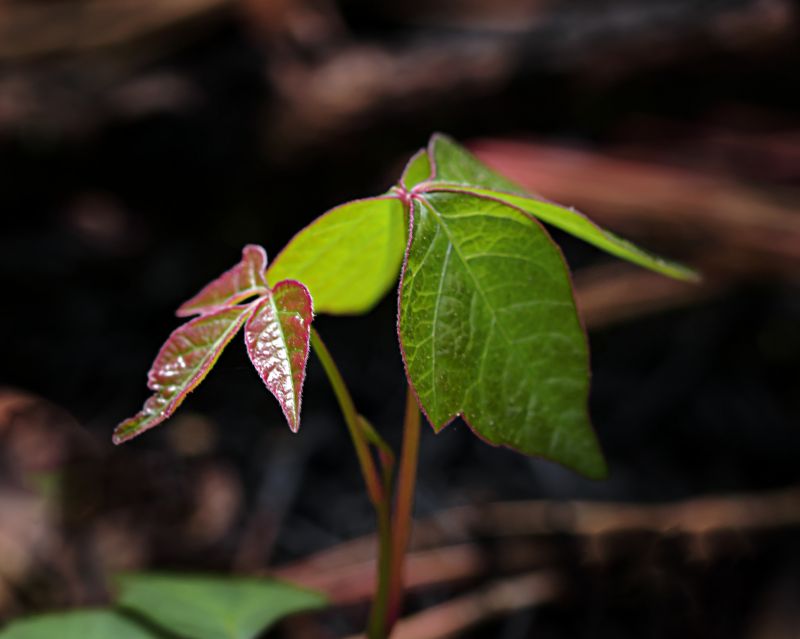
Expert Poison Oak Management
Professional removal ensures thorough elimination to prevent regrowth and safeguard your property in harford county, md.
Poison Oak Removal in Harford County, MD
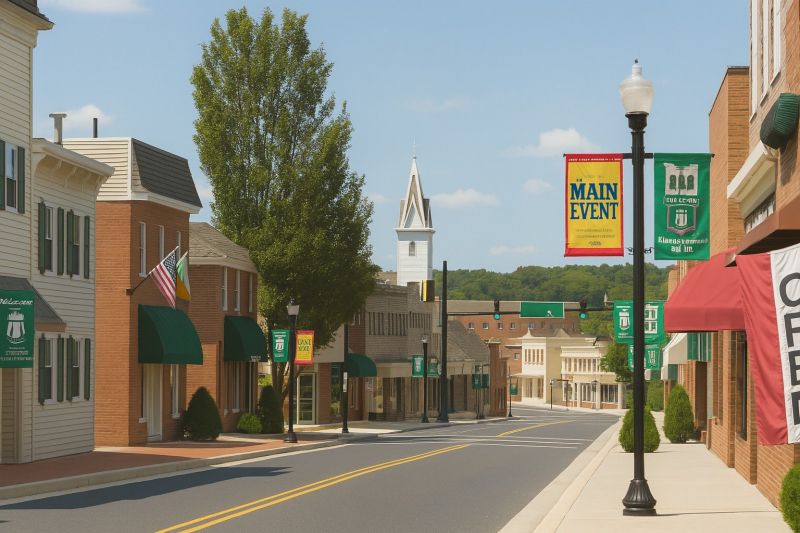
Poison oak removal services are designed to help homeowners safely eliminate this hazardous plant from their properties. These services typically involve identifying and carefully removing poison oak from lawns, gardens, wooded areas, or other outdoor spaces. Property owners often request this service when poison oak poses a risk to children, pets, or anyone who might come into contact with the plant. The goal is to clear affected areas to prevent skin irritation and allergic reactions, ensuring outdoor spaces remain safe and accessible.
Before requesting poison oak removal, property owners usually want to understand the scope of the project, including the size of the affected area and the methods used for removal. It's also helpful to know whether the removal process includes disposal of the plant material and if any follow-up treatments are recommended to prevent regrowth. Clarifying these details can help ensure the property remains free of poison oak and safe for outdoor activities.
Many property owners in Harford County, MD look into Poison Oak Removal for repairs, replacements, upgrades, and appearance-related improvements.
Common Poison Oak Removal Jobs
Poison Oak Removal - safely eliminates hazardous plants from residential and commercial properties.
Land Clearing - clears overgrown areas to prevent poison oak from spreading.
Brush and Weed Control - targets invasive plants that can harbor poison oak.
Property Maintenance - keeps yards clear of poison oak and other nuisance vegetation.
Vegetation Management - implements strategies to reduce poison oak growth long-term.
Site Cleanup - removes debris and roots after poison oak removal for a tidy landscape.
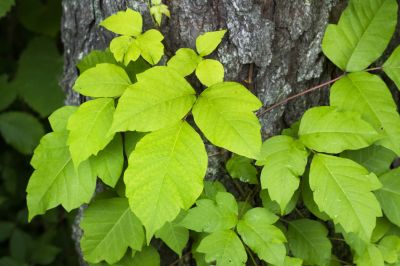
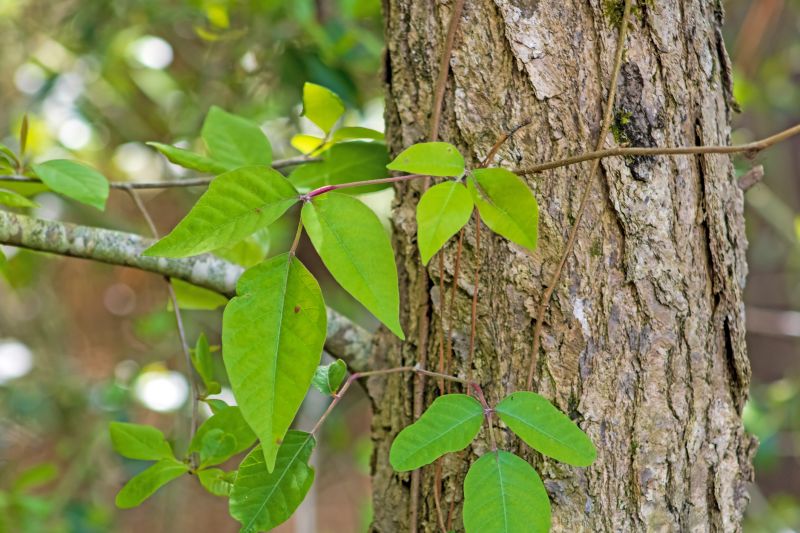
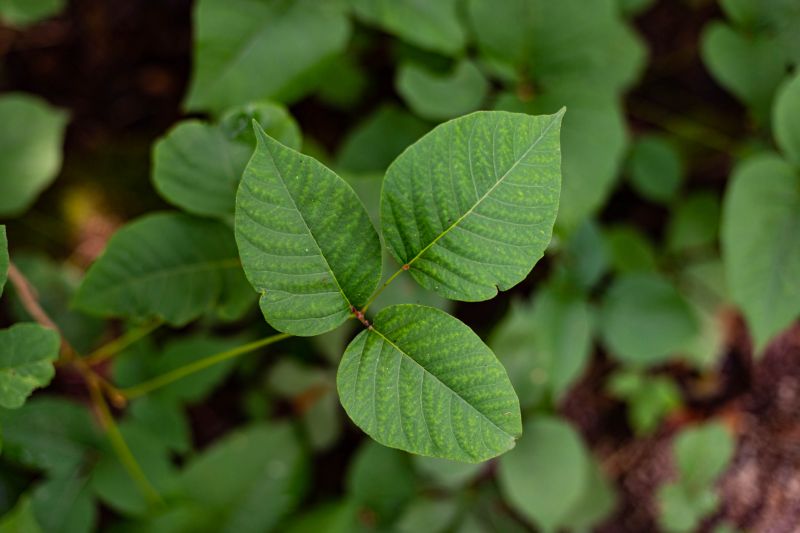
Poison Oak Removal Questions
What is poison oak removal? Poison oak removal involves safely eliminating the plant to prevent skin irritation and reduce its spread on the property.
When should poison oak be removed? Removal is recommended when poison oak is growing in areas frequented by people or animals, or when it begins to spread extensively.
What methods are used for poison oak removal? Methods typically include manual removal, cutting, and applying herbicides to eradicate the plants effectively.
Is poison oak removal safe for my landscape? Yes, proper removal techniques ensure the safety of surrounding plants and minimize disturbance to the landscape.
Request Poison Oak Removal in Harford County, MD
Use the quote form on this page to share the basics of your project and request more information for the type of work you need.